


From Peaks to Pampas: An Artistic Journey
On Sunday, September 29, 2024, the San Francisco Pride Band returned to the historic Herbst Theatre stage for Portraits of the Americas, a concert that merged the worlds of music and visual art and showcased composers from North, Central, and South America.
Under the direction of then Artistic Director Pete Nowlen, the concert featured composers who draw inspiration from the rich artistic and cultural heritage of the Americas: the sounds of the Squamish First Nation of British Columbia, the folk music of the Sephardic Jewish community in Brazil, Mexican dances inspired by local flora like the saguaro cactus, and more.
The program included two world premieres by Bay Area composers. One Magnificent Light was the final composition by our Composer-in-Residence from the BIPOC Composition Program, Mattea Williams. Eyes to Look Otherwise, a new concerto commissioned by the Latinx Storytellers Project, offers a musical interpretation of paintings by Mexican-American artist Tino Rodriguez. The piece, composed by Juan Sebastián Cardona Ospina, is dedicated to acclaimed soprano saxophonist Michael Hernandez, who performed as the featured soloist.
Our Program
The program included the eight pieces described below, including two world premieres.


One Magnificent Light is the world premiere and final composition by Mattea Williams, our Composer-in-Residence, who writes:
When embarking on a new journey or just stepping into something unfamiliar for the first time, the path may seem dark and unsettling, even if you have an unexplainable certainty that it is meant for you and right for you. Inside of all of us is one magnificent light. With courage, love, and encouragement from others, that light can be ignited, joining with the magnificent light of a community that erupts into a technicolor superbloom.
Eyes to Look Otherwise is a new concerto for soprano saxophone and wind ensemble composed by Juan Sebastián Cardona Ospina and dedicated to Michael Hernandez, who performed the solo.
The work was commissioned by the Latinx Storytellers Project and is based on the artwork of Mexican-American artist, Tino Rodriguez. Each movement is tied to one of the three pieces of artwork shown alongside. The composer writes:
Rodriguez is a prolific artist, straddling the realms of post-war and contemporary art. His creative output draws from the rich tapestry of his Mexican heritage and his formative years steeped in the traditions of the Catholic Church…[his] artistic vision can be described as a complex mosaic woven from various threads including the enigmatic allure of shamanic rituals, the enchanting narratives of Mayan and Aztec folklore and the intricate world of arts and crafts…


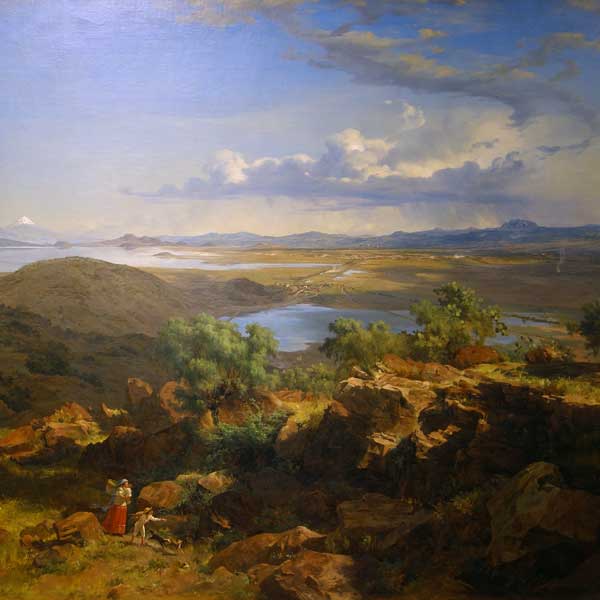
Paisajes Bajo el Signo de Cosmos (Marquez) translates in English to “Landscapes Under the Sign of the Cosmos” and was composed for the 1993 National Museum retrospective of paintings by José María Velasco (1840-1912).
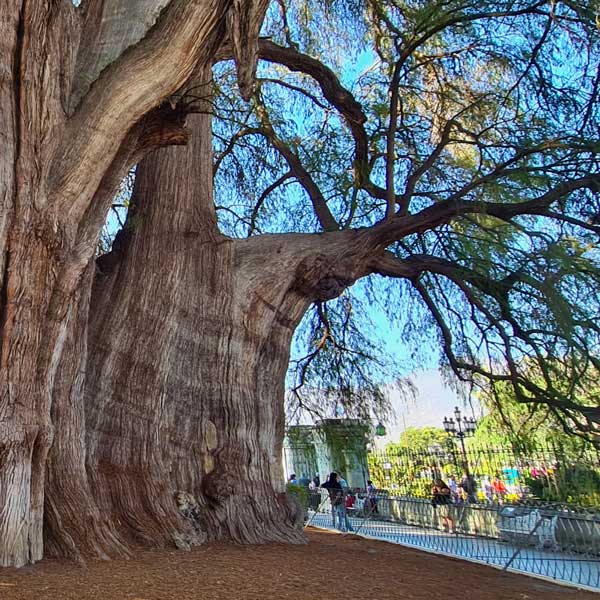
Ahuehuete and Sahuaro (Jaime-Donjuan) are two movements from Little Mexican Suite. Each movement is inspired by a type of Mexican tree that have special meaning to the composer. Each incorporates a different Mexican Dance.

Wolf Song and Gathering of the Eagles were composed by Squamish First Nation Elder Bob Baker, honoring Squamish Nation tradition and allows us all to share a small part of this rich culture. The work was commissioned in hope that it will foster a deeper love, respect and understanding for the people and culture of the Squamish Nation (and all First Nations) through shared music.

Rapsódia Sefaradi (Trovassos) pays homage to the people and culture of the Sephardic Jews of Belém, Brazil (from whom the composer descends) through the use of four folkloric songs in the free form of a rhapsody.
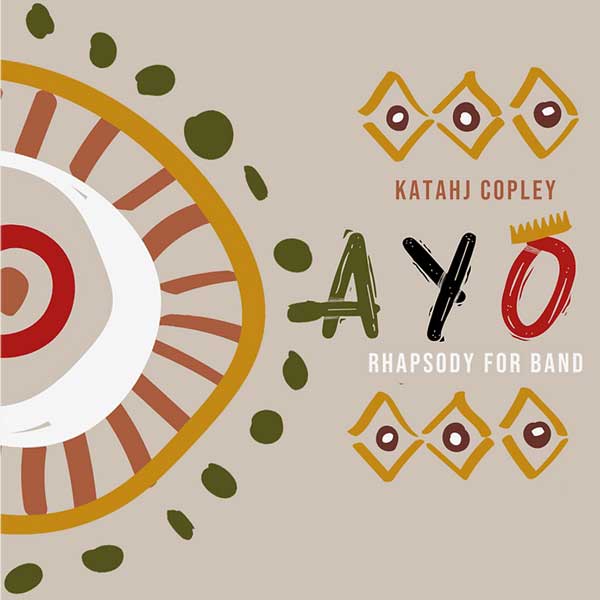
AYO (Copley) The composer writes:
Rooted from hip hop and jazz cultures, the term AYO is built in the black language…With this piece I wanted build the kind of embrace you would get from this one word while also honoring its beginnings – using hip hop rhythms and colorful harmonies. By the end of the piece, we the listeners go from uncertainty to home; and with the uniqueness of the piece, we in turn celebrate not only a word like AYO but also celebrate life.

Go California! (Elkus) was commissioned in 1978 as a Cal Band March in memory of Chris Tellefsen, an employee of the Associated Students of the University of California who worked closely with the Cal Band from the 1920s through the 1960s.